Ages 25–64
€25
- A confirmed place on the guided Route I tour
- The Barbican, the Knights' Hall and the 19th-century library
- Booked for your chosen date and time, emailed to you
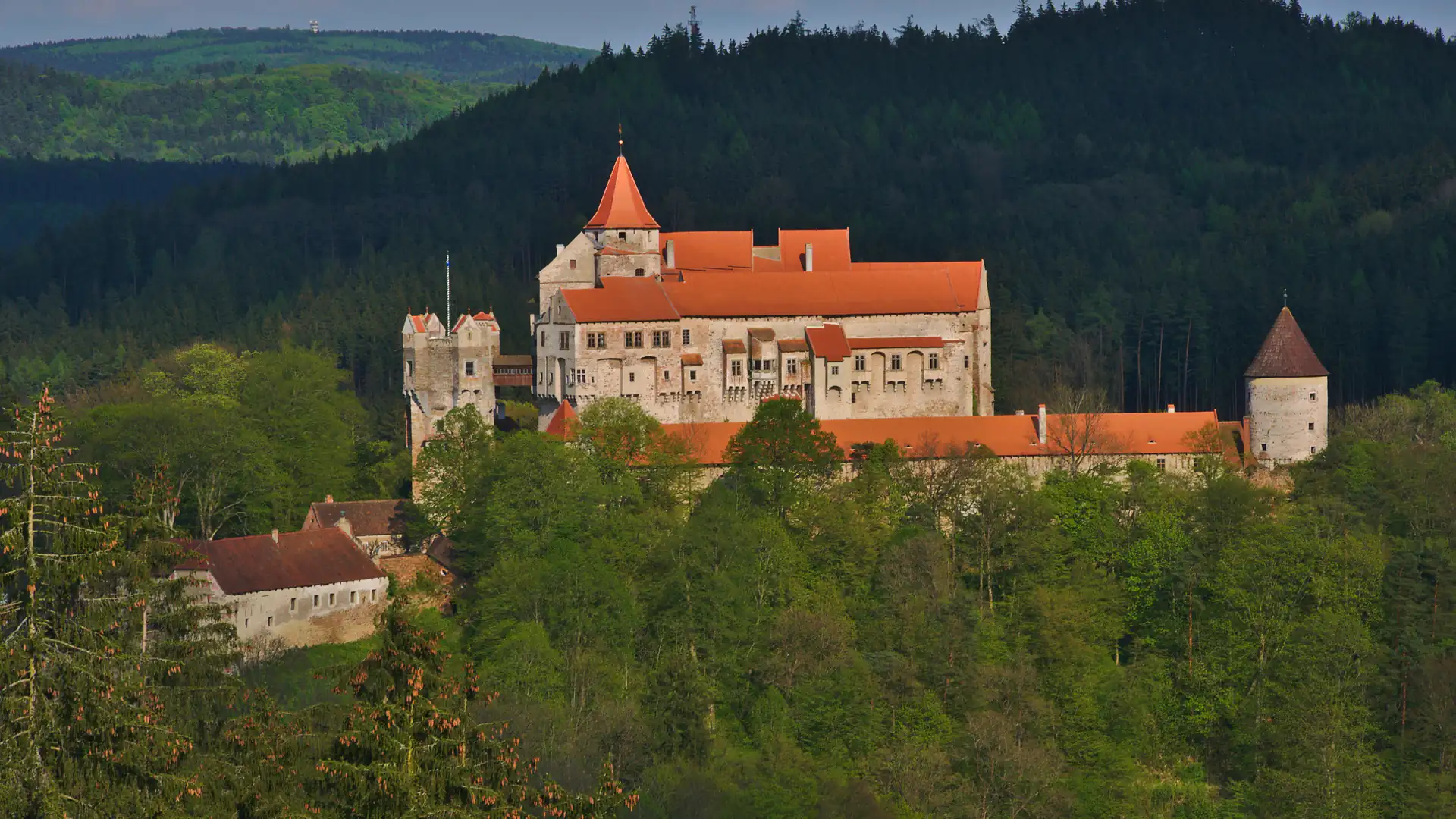
Route I — Guided Tour
A Gothic stronghold on a forested Moravian ridge that no attacker has ever taken, not even the Swedish army that broke against its walls in 1645. Inside, a knights' hall and a library keep a quiet no siege reached.
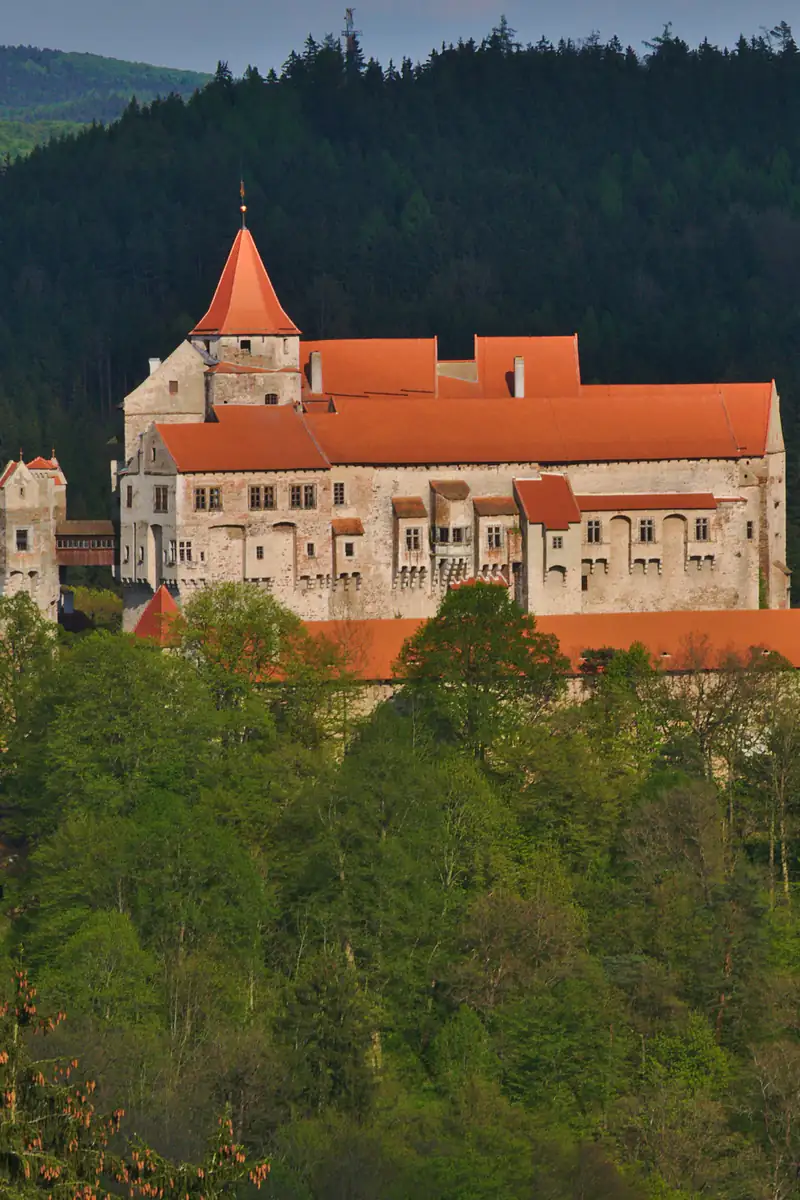
Route I — book your slot
Before you book
€25
€21
€21
€10
Route I runs as a guided group capped at 35 visitors, and the castle shuts completely from early November to early April.
Why book through us
Your date and time confirmed with the castle before you land, not a hope you carry to the gate.
17 currencies, cards and Apple Pay — the price you see is the price you pay.
The best departures, the walk up from the car park, and the room most visitors rush past.
A person, not a bot, in your language — right through to your visit day.
Never taken
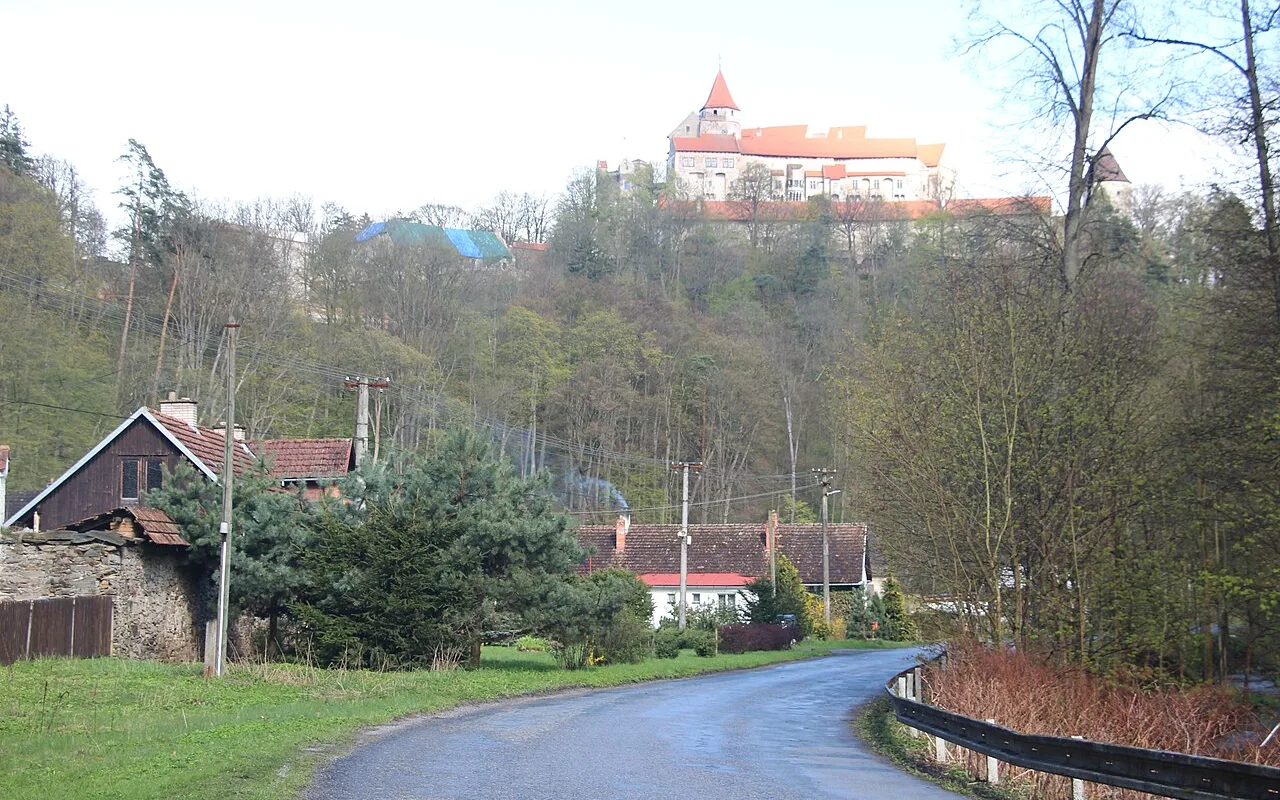
Pernštejn Castle stands on a wooded rock spur above the village of Nedvědice in South Moravia, roughly 40 km northwest of Brno, at the point where the little Nedvědička river runs down to meet the Svratka. It is widely reckoned one of the best-preserved Gothic-Renaissance castles in the Czech Republic — not a romantic 19th-century rebuild dressed up to look medieval, but a genuine fortress whose Gothic bones and Renaissance additions have survived largely intact since the 16th century. The first written record of a lord "of Pernštejn" dates to 1285, when the family who gave the castle its name had already taken it as their own from the earlier Lords of Medlov who founded it.
For three centuries the Pernštejns built one of the great fortunes of the Bohemian crown lands here, culminating under William II of Pernštejn, whose family became, by most accounts, the wealthiest and most powerful noble house in the Kingdom of Bohemia. Under his direction the blunt medieval fort was threaded through with oriel windows, vaulted ceilings and a great hall built for entertaining rather than defending — without ever losing the older walls beneath. The family sold the castle in 1596; it later passed to the Stockhammer and Schröfl von Mannsperg families before the Mitrovskýs bought their way into it in 1818, held it through the 19th century, and lost it to the Czechoslovak state in 1945.
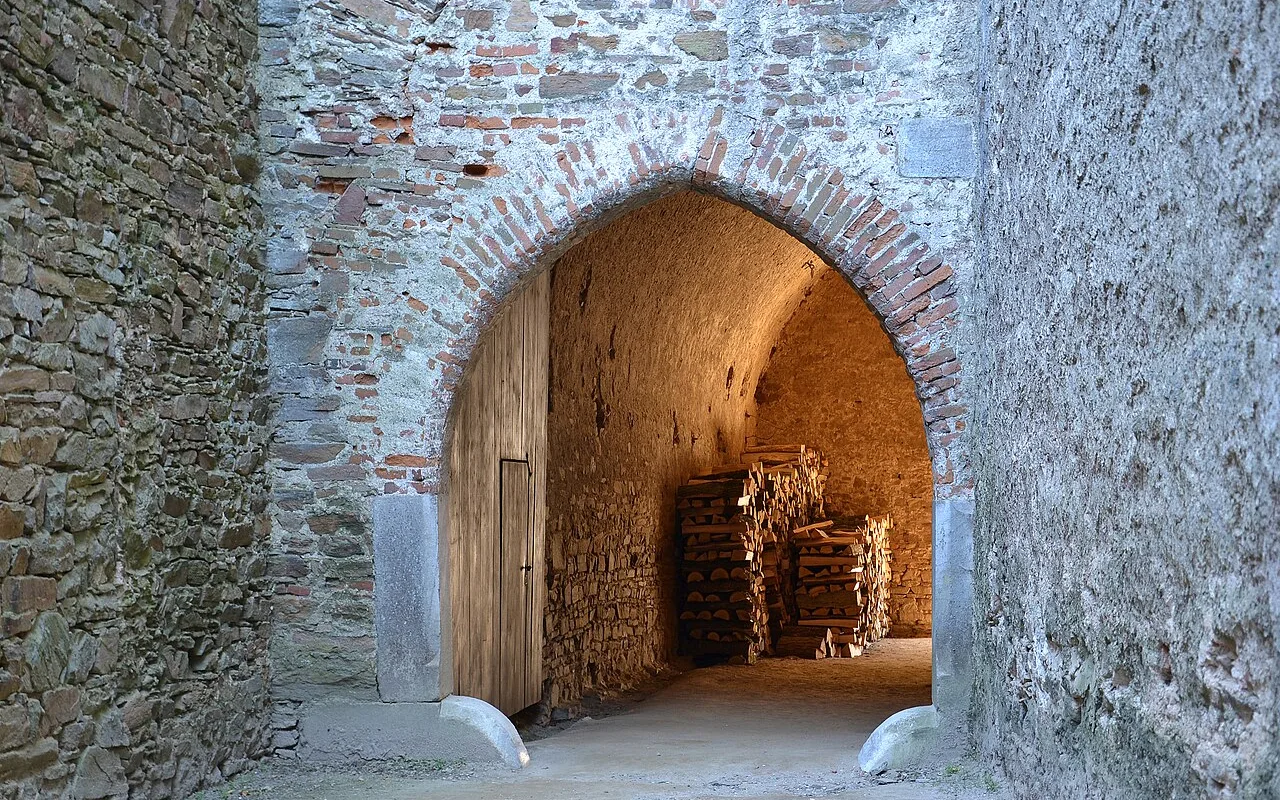
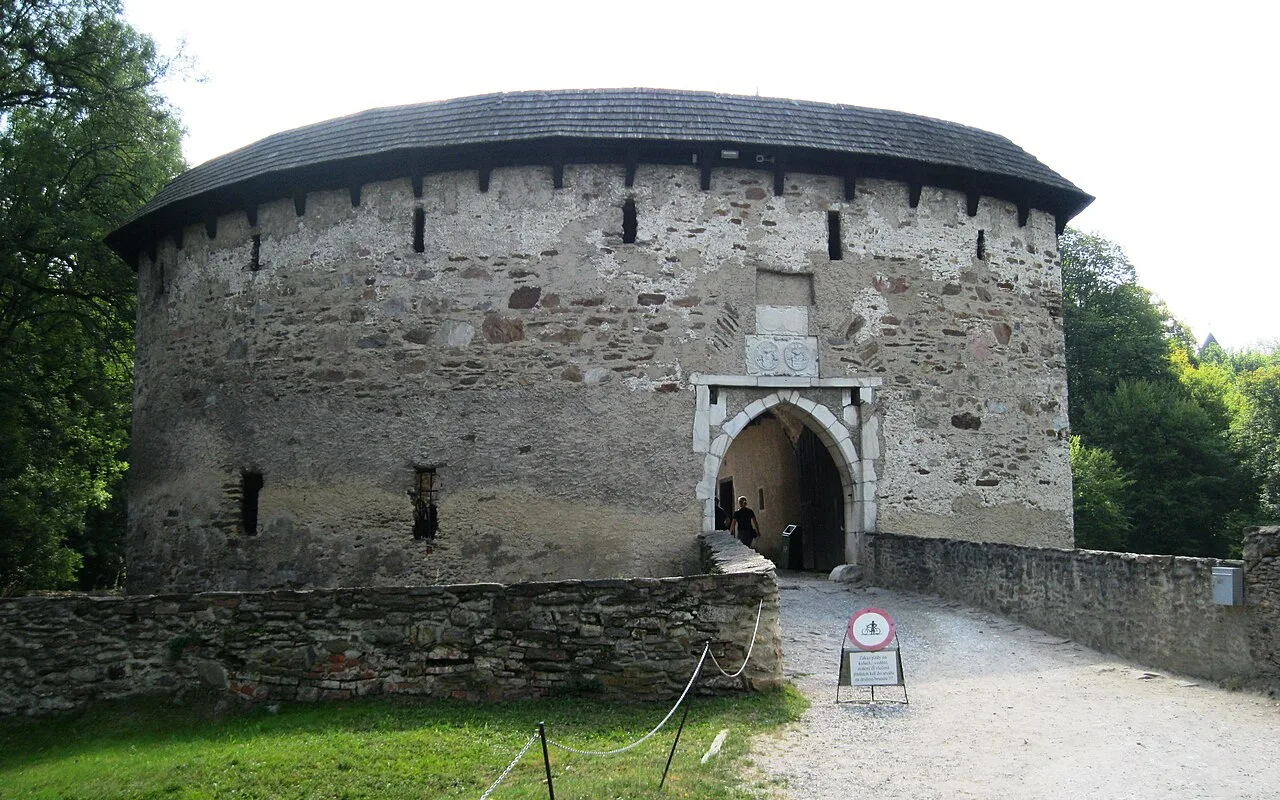
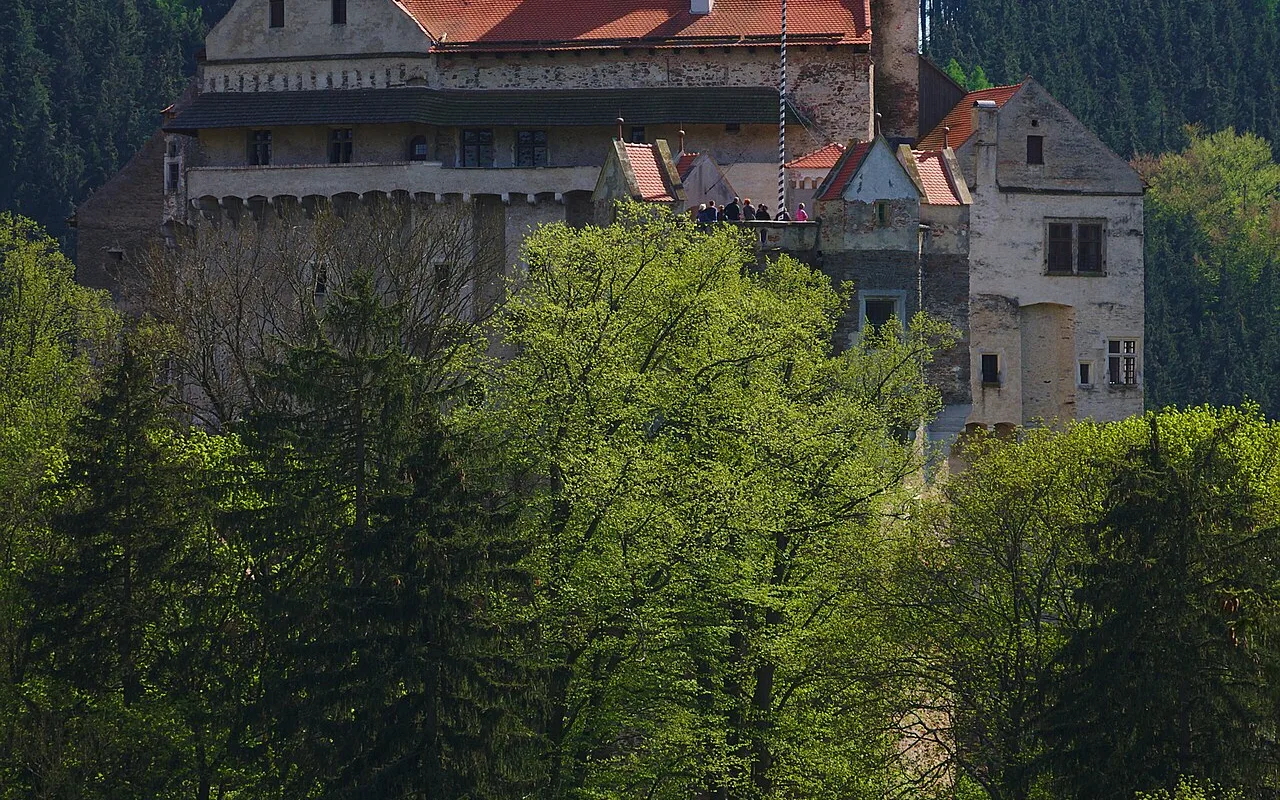
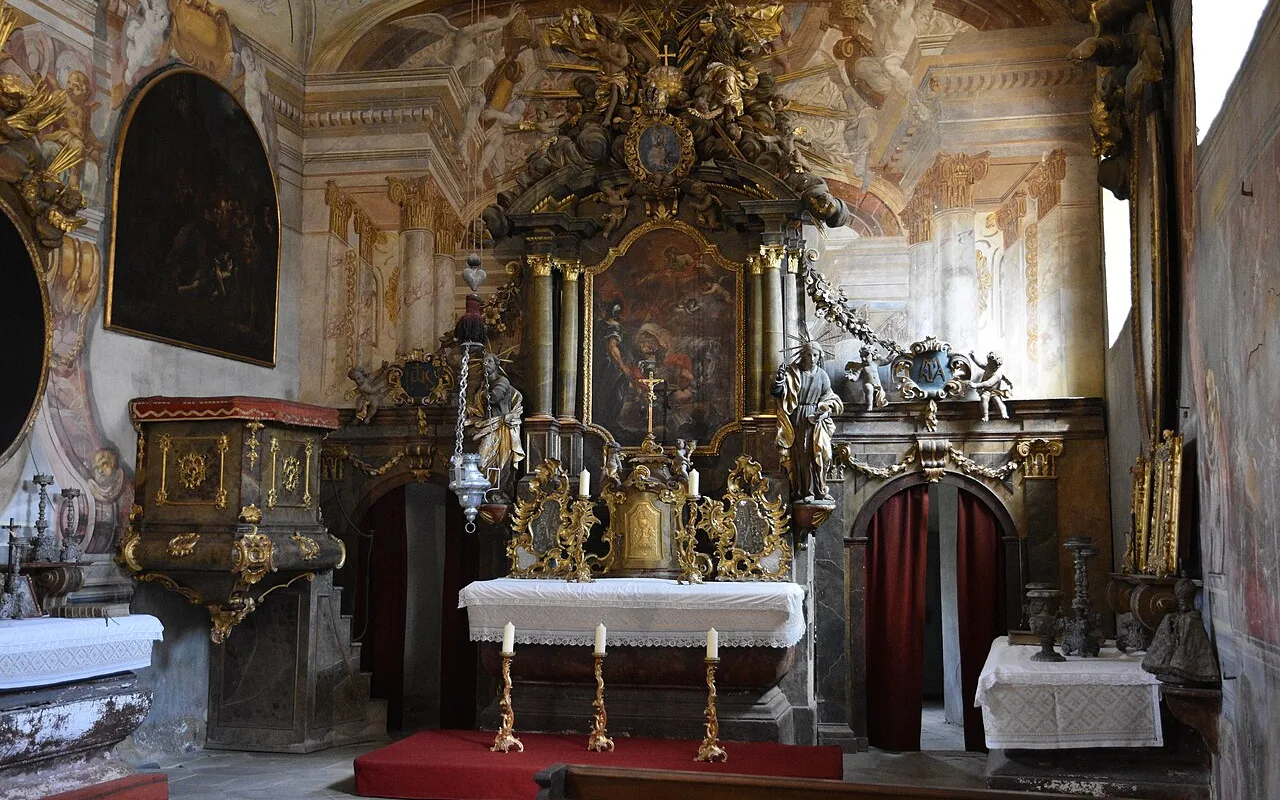
What makes Pernštejn unusual is what never happened to it: it was never taken. Not by the Hussite wars, not by the Swedish army that besieged it in 1645 during the Thirty Years' War and left scorch marks on the upper towers that are still visible, not by any of the conflicts that levelled so many of its neighbours. The barbican that stopped the Swedes still stands at the entrance, its walls three metres thick. Inside wait the Knights' Hall with its Renaissance stuccowork, a long vaulted hall the Mitrovskýs turned into a library, and a Baroque chapel added in 1716 — all part of the roughly 80-minute Route I tour, guided through the rooms that trace the castle from its Gothic beginnings to its 20th-century close.
We are a concierge service: you choose your date and time, we secure your place on the guided Route I tour and confirm it with the castle, and your e-ticket arrives in your inbox ready to show at the gate. The tour itself is guided in Czech with a printed English text to follow along; we say so plainly here rather than let it surprise you on the day. No wrestling with an unfamiliar Czech-language booking system, no guessing whether your date is still open — just a confirmed slot, arranged on your behalf.
Plan your visit
Pernštejn Castle opens to visitors from early April to early November each year — the 2026 season runs 4 April to 2 November — and is closed to the public through the winter months. Your ticket is for a specific guided departure within that open season.
Hrad Pernštejn, 592 62 Nedvědice, South Moravian Region, Czech Republic — about 40 km northwest of Brno, above the village of Nedvědice.
Route I is guided in Czech, with a printed English text provided so you can follow the tour room by room. A limited number of English-guided departures run by advance reservation for larger groups — ask us if this matters to your visit and we'll check what's possible on your date.
The car park sits below the castle rock, and reaching the gate is a steep uphill walk of roughly 10 to 25 minutes on foot, depending on your pace. Wear shoes you can climb in.
The guided Route I tour itself runs about 80 minutes. Allow extra time either side for the uphill walk, the courtyards, and the ancient yew tree by the barbican.
The climb to the castle and the tour itself involve stairs, slopes and uneven historic floors typical of a medieval fortress. Only the first courtyard is accessible to visitors with mobility limitations; tell us before booking if this affects your plans.
Tickets need at least two days' notice to arrange with the castle, so this is not a walk-up, same-day booking — plan your date a little ahead.
Beyond the barbican
Pernštejn anchors a rewarding stretch of country between Brno and the Bohemian-Moravian Highlands. These sights pair naturally with your visit.
Read before you go
A seven-month season, not a year-round one · The busiest months: July and August
8 min readHow far it actually is · By car
7 min readThe Barbican first · The Gothic rooms and the Tower of Four Seasons
7 min readThe Lords of Medlov, 1285 · William II and the Renaissance rebuilding
7 min readTwo castles, two centuries apart in spirit · What's original at Pernštejn vs rebuilt at Bouzov
7 min readDeeper answers
For most travellers, yes — it's widely considered one of the best-preserved Gothic-Renaissance castles in the Czech Republic, with a genuinely unaltered medieval interior rather than a romantic rebuild. The Barbican, Knights' Hall and library reward the steep walk up.
It stands on a rock spur above the village of Nedvědice in South Moravia, about 40 km northwest of Brno, close to the border with the Bohemian-Moravian Highlands.
The Lords of Medlov founded it probably between 1270 and 1285; the first written record of a lord "of Pernštejn" dates to 1285. The family soon took the castle's name as their own.
For being one of the best-preserved Gothic-Renaissance castles in Moravia, for never once being taken by siege in over seven centuries, and for its dramatic silhouette, which has made it a favourite film location, including Van Helsing in 2004.
No. Across more than seven centuries, including a failed Swedish siege in 1645 during the Thirty Years' War, Pernštejn was never taken by force — a rare claim among Central European castles of its size and importance.
During the Thirty Years' War, a Swedish army campaigning through Moravia besieged Pernštejn Castle and bombarded its upper towers. The barbican's three-metre-thick walls held, the siege failed, and scorch marks from the attack are still visible today.
The Pernštejns sold the castle in 1596. It passed to the Stockhammer and Schröfl von Mannsperg families before the Mitrovskýs acquired it in 1818 and held it until 1945, when it passed into Czechoslovak state ownership.
A confirmed place on the guided, roughly 80-minute Route I tour — the entrance hall, Gothic corridors, Tower of Four Seasons, old chapel, Knights' Hall, picture gallery and family rooms. We book it for your date and time and email you the e-ticket.
The standard tour is guided in Czech with a printed English text to follow. English-guided departures run only by advance reservation, mainly for larger groups — ask us if this matters to your visit.
Route I groups are capped at 35 visitors, and the interior can only be seen with a guide — there's no self-guided option.
The guided tour itself runs about 80 minutes. With the uphill walk from the car park and time at the barbican and gardens, allow around two hours in total.
Genuinely steep — the car park sits below the rock, and reaching the gate takes roughly 10 to 25 minutes on foot uphill. Wear shoes you're comfortable climbing in.
An ancient yew east of the barbican, about 4.5 metres round and reckoned the oldest and largest of its kind in the South Moravian region. Local legend ties a traveller's planted walking staff to its origin, and the castle's fate to the tree's survival.
Yes — most famously as "Castle Frankenstein" in the 2004 film Van Helsing, alongside dozens of Czech fairy-tale films and other productions over the decades.
From early April to early November each year (the 2026 season runs 4 April to 2 November), Tuesday to Sunday, with a reduced schedule in the last weeks of the season. It closes completely over winter.
Yes — the castle needs at least two days' notice to confirm a guided-tour place, and Route I's 35-person cap means popular summer dates can fill ahead of time.
Only partially. The approach is a steep uphill walk, and the tour crosses stairs and uneven historic floors; only the first courtyard is accessible to visitors with mobility limitations.
Sources: en.wikipedia.org · cs.wikipedia.org · hrad-pernstejn.cz · hrad-pernstejn.cz · hrad-pernstejn.cz · wikidata.org Last reviewed:
Pre-visit briefing
A short, calm history — how a minor 13th-century border fort became the seat of the richest noble family in Bohemia, why nobody ever managed to take it by force, and what the ancient yew tree by the gate is supposed to mean for the castle's fate. Listen on the way from Brno.
Recorded for Pernštejn Castle Tickets concierge. Free to download.